
In the domain of modern cleaning, effectiveness and accuracy are foremost. Among the bunch innovations utilized, ultrasonic cleaners stand apart for their capacity to handle difficult impurities with artfulness. Inside these frameworks, pick-and-spot systems assume a significant part, working with consistent treatment of parts during the cleaning system. In this thorough aide, we dive into the complexities of pick-and-spot systems in modern ultrasonic cleaners, investigating their plan, usefulness, applications, and progressions.
The Role of Pick-and-Place Mechanisms
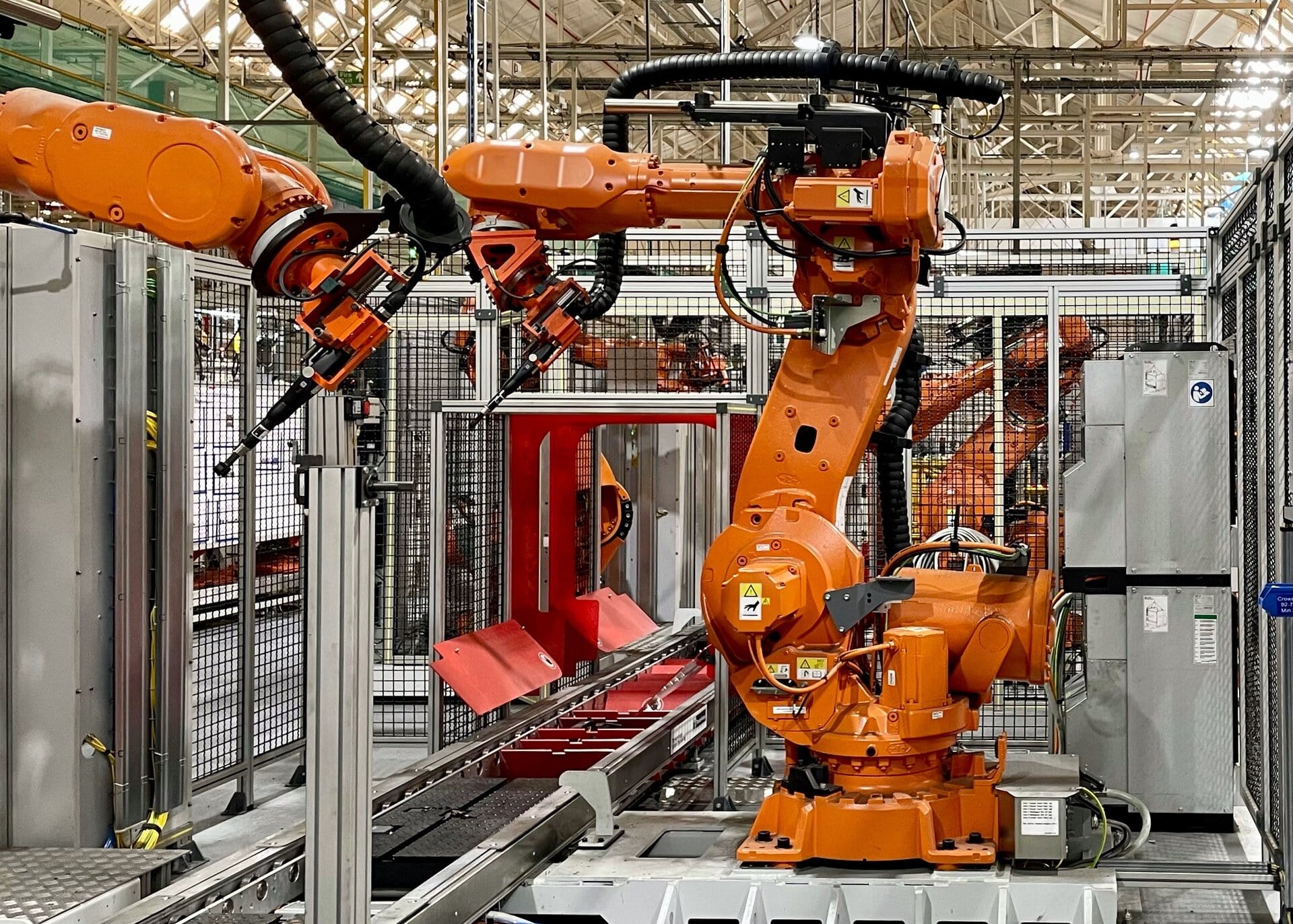
Pick-and-spot components act as the scaffold between the ultrasonic cleaning chamber and the external climate. Their essential capability is to securely move parts into and out of the cleaning arrangement with accuracy and dependability. Via robotizing this pivotal part of the cleaning system, pick-and-spot instruments improve proficiency, limit human intercession, and guarantee predictable outcomes. These robotized frameworks assume control over the undertaking of moving parts between various phases of the cleaning system, including:
- Loading: Picking parts from a feeder or conveyor and placing them in the cleaning tank.
- Agitation: Moving parts within the tank to ensure even cleaning throughout.
- Rinsing: Transferring parts to a rinsing station for post-cleaning removal of cleaning solution residue.
- Drying: Moving parts to a drying station for final moisture removal.
- Unloading: Transferring cleaned parts to a collection bin or conveyor for further processing.
Design Considerations
Planning a powerful pick-and-spot instrument involves cautious thought of different variables, including part size, weight, shape, and material. Components should be sufficiently hearty to deal with weighty burdens while keeping a fragile touch to try not to harm delicate parts. Also, factors like speed, precision, and repeatability are basic for advancing the cleaning system and limiting process durations.
Types of Pick-and-Place Mechanisms
Several types of pick-and-place mechanisms are commonly employed in industrial ultrasonic cleaners, each with its own strengths and applications:
- Cartesian Robots: These robots offer three direct tomahawks (X, Y, and Z) for exact highlight point development. They are great for taking care of parts with complex calculations or requiring explicit direction during cleaning.
- SCARA Robots: Particular Consistence Gathering Robot Arm (SCARA) robots offer a more conservative plan with a rotational hub at the base and a few direct tomahawks. They are quicker than Cartesian robots for less difficult pick-and-spot tasks.
- Gantry Frameworks: These frameworks use a flat shaft that moves to and fro on an upward help. A gripper joined to the shaft picks and places parts. Gantry frameworks are appropriate for huge cleaning tanks or taking care of long parts.
- Direct Actuators: These give single-hub development and are much of the time utilized related to different instruments for less difficult pick-and-spot undertakings. They offer a financially savvy answer for essential applications.
- Explained Robots: Enunciated robots can be modified to definitively position parts or articles inside the ultrasonic cleaning tank. This guarantees that all surfaces of the item are presented to the cleaning arrangement and ultrasonic waves, prompting careful cleaning.
Advantages
- Expanded Throughput: Quicker handling by taking out manual dealing with bottlenecks.
- Further developed Consistency: Exact and repeatable part development guarantees steady cleaning results.
- Decreased Work Expenses: Computerizes manual errands, opening up faculty for different exercises.
- Improved Security: Limits administrator openness to cleaning arrangements and weighty parts.
Application
Pick-and-place mechanism find applications across different enterprises where exact treatment of parts is fundamental. In the auto area, they are utilized for cleaning motor parts, fuel injectors, and transmission parts. In gadgets assembling, pick-and-spot frameworks assume an essential part in cleaning printed circuit sheets (PCBs) and fragile electronic congregations. Furthermore, they are utilized in clinical gadget assembling, aviation, and accuracy designing ventures.
Advancements & Innovation
The field of pick-and-spot components is continually developing, driven by progressions in robotization, mechanical technology, and materials science. Current frameworks integrate refined sensors, vision frameworks, and AI calculations to improve exactness, productivity, and flexibility. Cooperative robots (cobots) are progressively being coordinated into ultrasonic cleaning frameworks, empowering human-robot joint effort in assembling conditions.
Conclusion
Pick-and-place mechanisms are the unsung heroes of industrial ultrasonic cleaners, facilitating seamless handling of components with precision and efficiency. As technology continues to advance, these mechanisms will play an increasingly integral role in optimizing cleaning processes across diverse industries. By understanding the principles, design considerations, and applications of pick-and-place systems, manufacturers can unlock new levels of productivity and quality in their cleaning operations.