
Ultrasonic cleaning machines are primarily used for removing contaminants such as dirt, oil, grease, and other particles from surfaces and objects. While they aren't directly designed for defense purposes, they can indirectly contribute to defense efforts in several ways:
Maintenance of Military Equipment: Military equipment, including weapons, vehicles, and machinery, often require meticulous maintenance to ensure optimal performance and longevity. Ultrasonic cleaning machines can be used to efficiently and effectively clean intricate parts and components, ensuring they remain in top condition.
Decontamination: In the event of chemical, biological, radiological, or nuclear (CBRN) contamination, rapid and thorough decontamination is essential to mitigate the effects and protect personnel and equipment. Ultrasonic cleaning machines can aid in decontamination processes by effectively removing contaminants from surfaces, equipment, and protective gear.
Forensic Analysis: In forensic investigations related to defense and security, ultrasonic cleaning machines can be used to clean and prepare evidence for analysis. This may include firearms, ammunition, explosive devices, and other materials relevant to investigations.
Research and Development: Defense agencies and organizations often engage in research and development activities to innovate new technologies and improve existing ones. Ultrasonic cleaning machines can be utilized in laboratories and research facilities to clean and prepare materials for testing and experimentation.
Logistics and Supply Chain Management: Efficient maintenance and cleaning processes are crucial for ensuring the readiness and availability of military equipment and supplies. Ultrasonic cleaning machines can streamline logistics and supply chain management by facilitating quick and thorough cleaning of components and inventory.
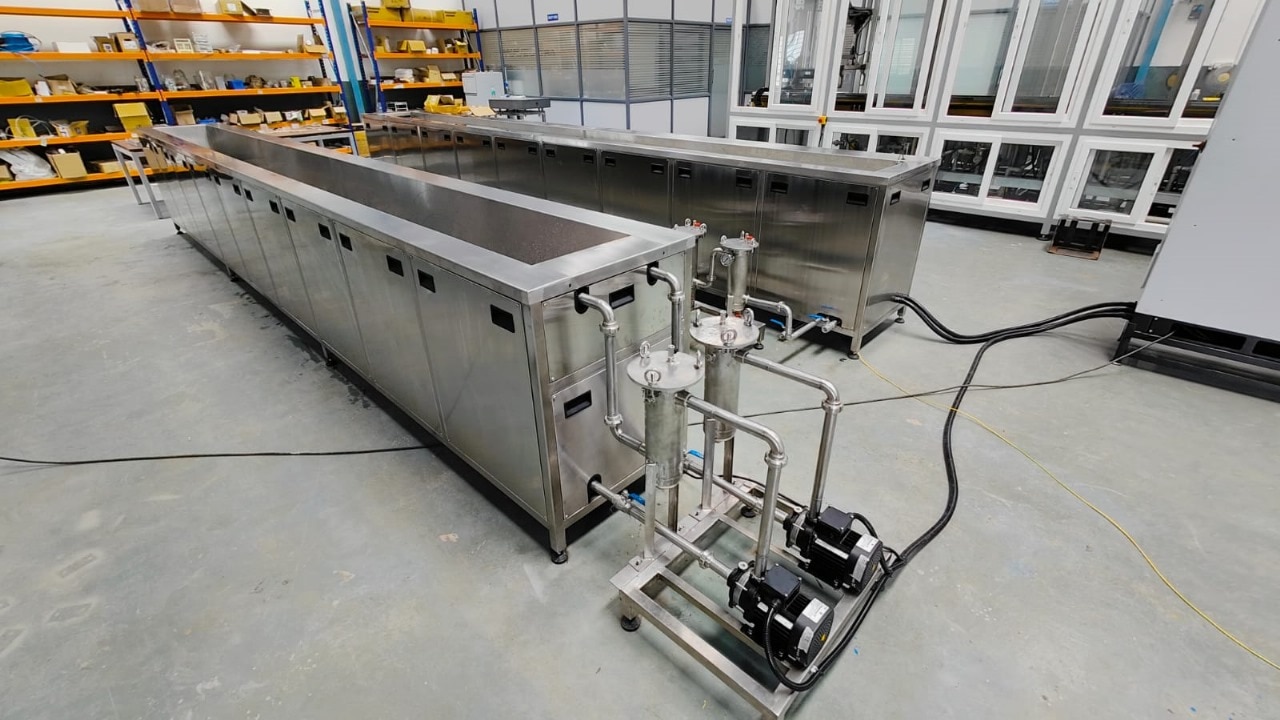
While ultrasonic cleaning machines themselves are not defensive weapons or systems, their applications in maintenance, decontamination, forensic analysis, research, and logistics can indirectly support defense efforts by enhancing operational readiness, safety, and efficiency.